Journal #3: Vulnerabilities in Treatment and Counseling Services

More than half of the public schools in the United States employ someone who oversees or coordinates school mental health and social services. More than three quarters of school districts have a stated policy of offering student assistance programs. These figures obtained from a peer-reviewed article entitled “Use of Treatment and Counseling Services and Mind-Body Techniques by Students With Emotional and Behavioral Difficulties” and written by Wasantha Jayawardene and company seems to convey the idea that public schools are making strides to assist students with mental health issues. They are acknowledging that mental health is an issue that needs addressing and that they hold some responsibility for addressing it.
That’s fantastic. It just does not do enough. An article I looked at previously offered the information that school-aged students are being inaccurately diagnosed and overmedicated to a startling degree. The students are not getting the proper help they need. The system as it stands is intrinsically flawed.
There is a stigma that exists, especially in public schools in the United States. Suffering from mental health issues is not something to be broadcast throughout the student body or even to adults. Kids are too often told to “man up” or “get their stuff together.” There is an unspoken rule to avoid asking for help for anything that happens inside one’s’ own head.
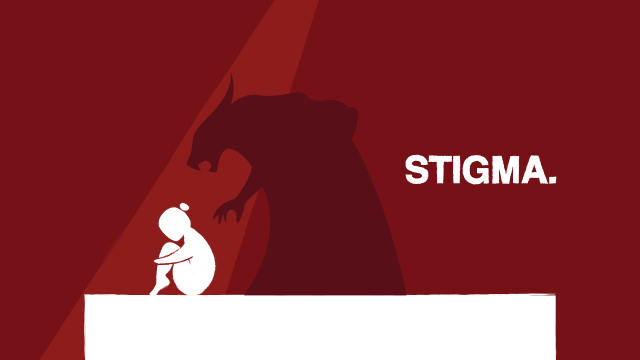
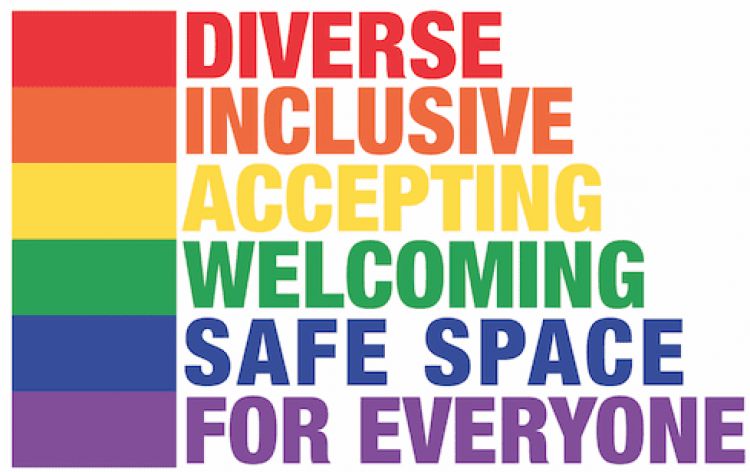
In order to improve the effectiveness of current treatment and counseling services offered by schools, this stigma needs to be addressed. The schools need to create a safe environment where students are able to ask for help without fear of reproach or other negative consequences. The counselors responsible for helping and diagnosing students need a safe environment where honest conversations can take place. If the student feels safe enough to be honest, the school’s personnel can come to a more accurate conclusion and get the students the help they actually need.
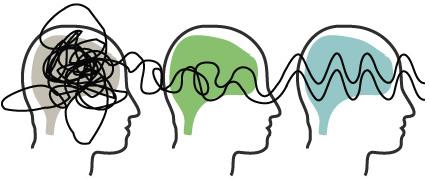



 Mental Health Matters