Research Blog #2: “Use of Treatment and Counseling Services and Mind-Body Techniques by Students with Emotional and Behavioral Difficulties”
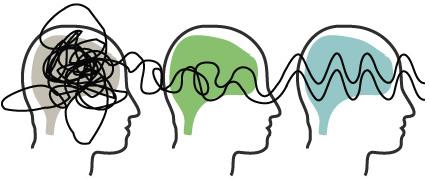
Wasantha Jayawardene, Ryan Erbe, David Lohrmann, and Mohammad Torabi worked together to produce a peer reviewed research article entitled “Use of Treatment and Counseling Services and Mind-Body Techniques by Students with Emotional and Behavioral Difficulties.” Their proclaimed motivation was to study how treatment and counseling services from schools affected the use of mind-body techniques in students with difficulties based on the notion that MBTs can improve children’s health and wellness. All of the findings were based on National Health Interview Survey data. The article came to an interesting conclusion after studying not only the use of treatment and counseling services as well as mind-body techniques, but also the correlation with family-level factors.
The research found that mind-body techniques were more likely to be used in students with emotional and behavioral difficulties in 2007 than in 2012, demonstrating a decrease of its usage. Gender showed a significant difference as girls were much more likely to utilize mind-body techniques than boys. The use of mind-body techniques also increased based on a family with higher educated parents or a member with a limitation. Finally, school only treatment and counselling services were less likely to use mind-body techniques than nonschool only services.
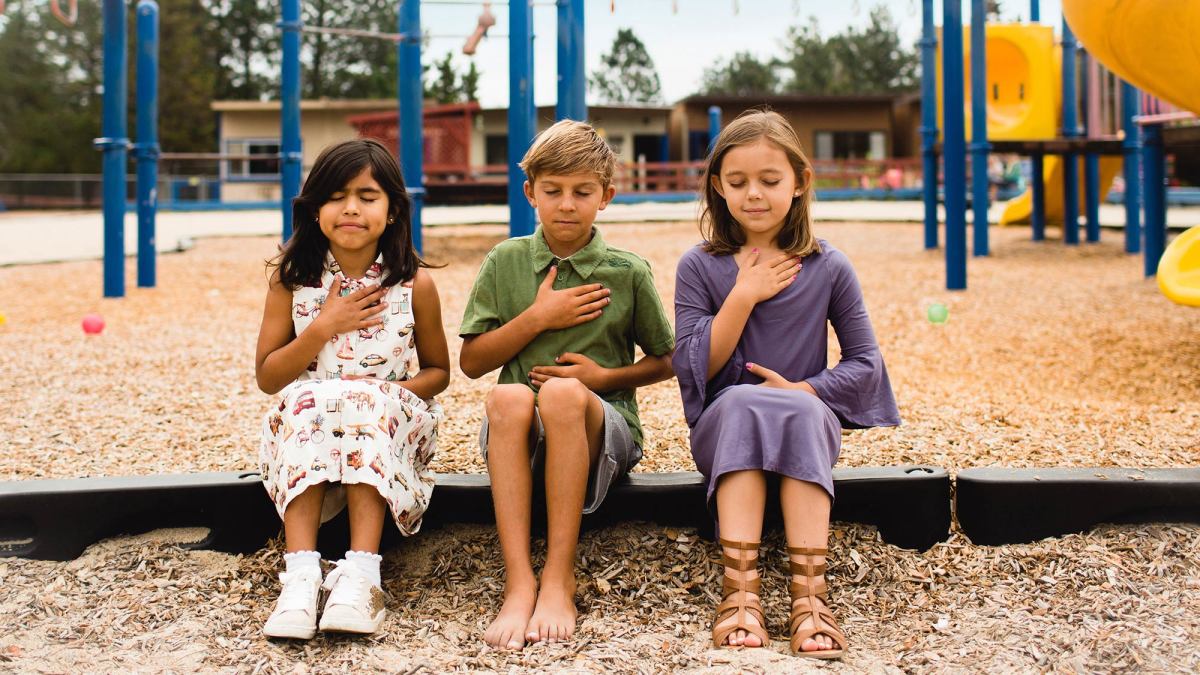
These conclusions are interesting because it suggests that there is truly a stigma involved. An increasing number of school-aged people are experiencing emotional or behavioral difficulties, yet this research indicates that schools are less likely to utilize mind-body techniques, which have been proven to help, than other outside institutions. This is troubling because not only do students spend a vast majority of their days at school, leaving schools with a responsibility to properly care for all factors of their well-being, but their families may be dependent on school assistance to care for their kids.
As a research article in the public sphere, the authors presented their findings as objectively as possible, even sighting the limitations of their results. They detail all the aspects of their work and findings and present it in a logical format. The article was accepted in less than a year, effectively working its way through the public sphere of academia. It is a strong, well-presented article.

It is the information within that is cause for concern to me. Schools hold a responsibility to protect and care for their students. That includes caring for their well-being, mental or otherwise. Mind-body techniques have been shown to work, yet the schools show a tendency to avoid using them. Rather than simply avoiding the hassle, schools should be striving to battle the stigma surrounding the use of mind-body techniques. They are helpful for everyone. It is not something just for girls or those rich families; mind-body techniques are useful way to treat emotional and behavioral difficulties without resorting to medications.
Public schools are equalizers. The economic status of a child’s family plays very little part in the day to day activities within the schools. If schools were to introduce mind-body techniques to all of their grade levels, everyone would be able to get access to help and the stigma would slowly dissolve as more students were exposed to it. The difference between mind-body technique usage would no longer be as vast between parents with higher education and without, or between families with or without a member with limitations. All genders would be exposed to helpful techniques that could help them balance their well-being. This article shows that public schools ought to step up their game and begin introducing mind-body techniques into their treatment and counseling services and, ideally, to their student body as a whole.





 Mental Health Matters