Journal #3: Vulnerabilities in Treatment and Counseling Services
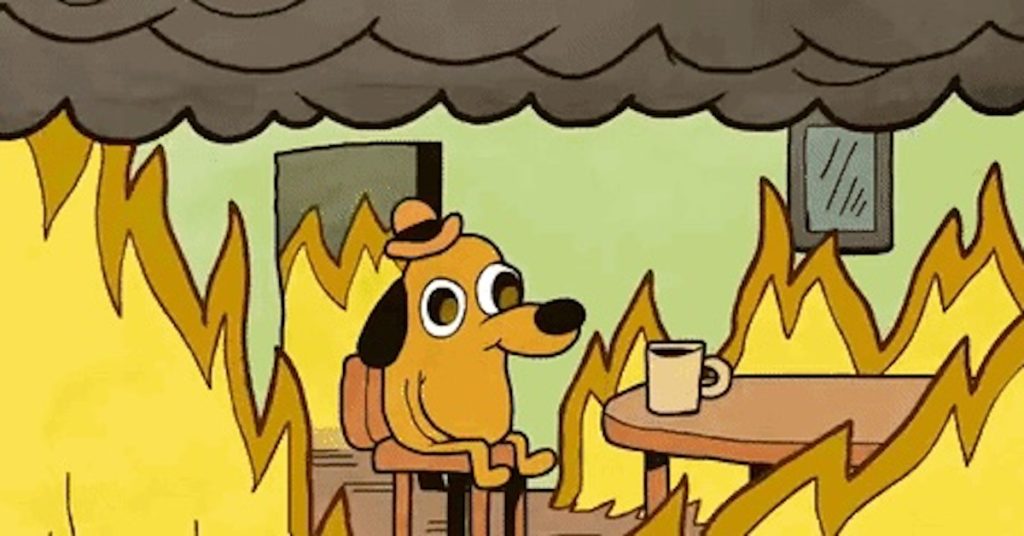
“Everything’s fine. There are no problems here.”
More than half of the public schools in the United States employ someone who oversees or coordinates school mental health and social services. More than three quarters of school districts have a stated policy of offering student assistance programs. These figures obtained from a peer-reviewed article entitled “Use of Treatment and Counseling Services and Mind-Body Techniques by Students With Emotional and Behavioral Difficulties” and written by Wasantha Jayawardene and company seems to convey the idea that public schools are making strides to assist students with mental health issues. They are acknowledging that mental health is an issue that needs addressing and that they hold some responsibility for addressing it.
That’s fantastic. It just does not do enough. An article I looked at previously offered the information that school-aged students are being inaccurately diagnosed and overmedicated to a startling degree. The students are not getting the proper help they need. The system as it stands is intrinsically flawed.
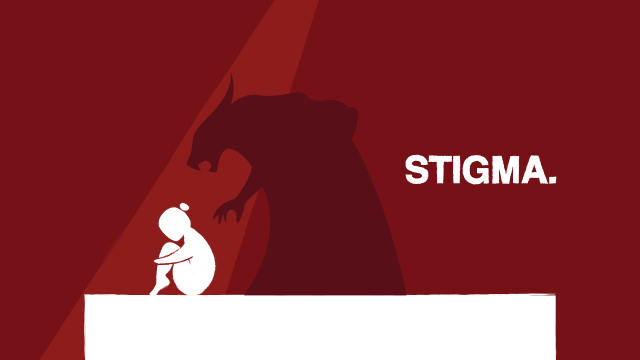
There is a stigma that exists, especially in public schools in the United States. Suffering from mental health issues is not something to be broadcast throughout the student body or even to adults. Kids are too often told to “man up” or “get their stuff together.” There is an unspoken rule to avoid asking for help for anything that happens inside one’s’ own head.
In order to improve the effectiveness of current treatment and counseling services offered by schools, this stigma needs to be addressed. The schools need to create a safe environment where students are able to ask for help without fear of reproach or other negative consequences. The counselors responsible for helping and diagnosing students need a safe environment where honest conversations can take place. If the student feels safe enough to be honest, the school’s personnel can come to a more accurate conclusion and get the students the help they actually need.
English 240 is called Writing in the Public Sphere. As befitting a class of that title, we learned about the wide varieties of literatures and medias that can be considered public literature and intended for the public consumption. For the final project, I decided to do a sequenced five-piece visual media project to really take advantage of the variety offered in public sphere writings.
My main argument is that public schools in the United States need to adjust their treatment programs for mental health issues among their students. The current system is ineffective in reaching the student body and relies too heavily on medications. The adjustment I’m suggesting involves addressing the stigma surrounding mental health and seeking help by introducing various practices, such as mindfulness or yoga, which will expose students to practices that benefit mental health and reveal the importance of maintaining a balanced well-being. By exposing the students to this knowledge, they will be more willing to seek help themselves or encourage others to seek help. It will also improve current treatment and counseling services by creating a more open and honest environment in which more accurate diagnosis and treatment plans can be established.
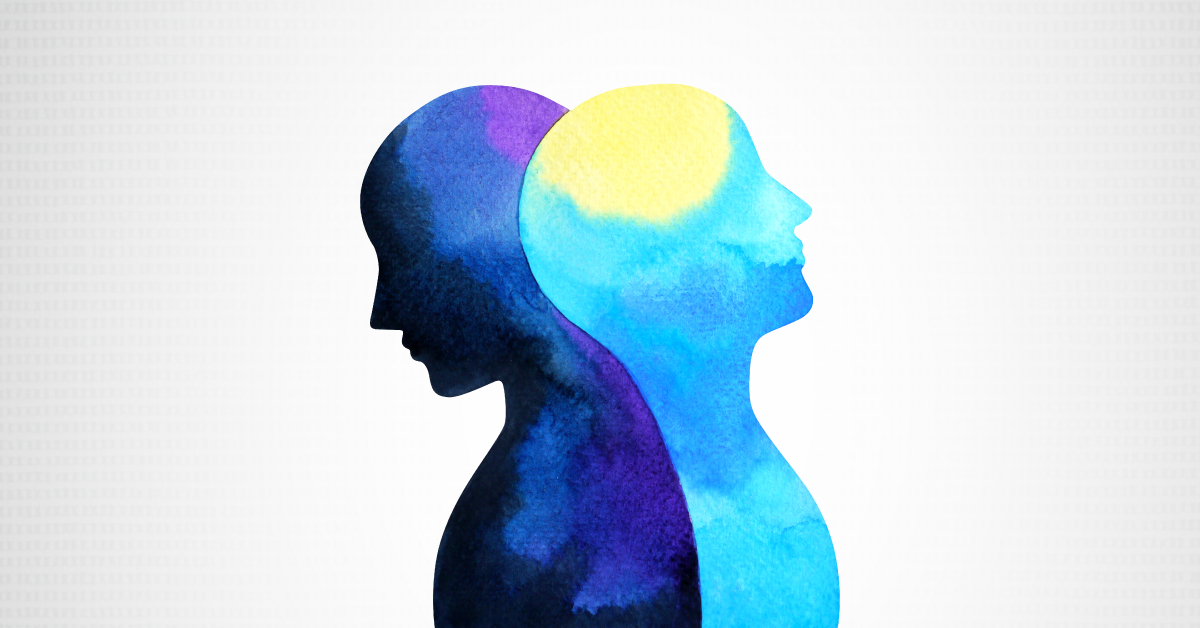
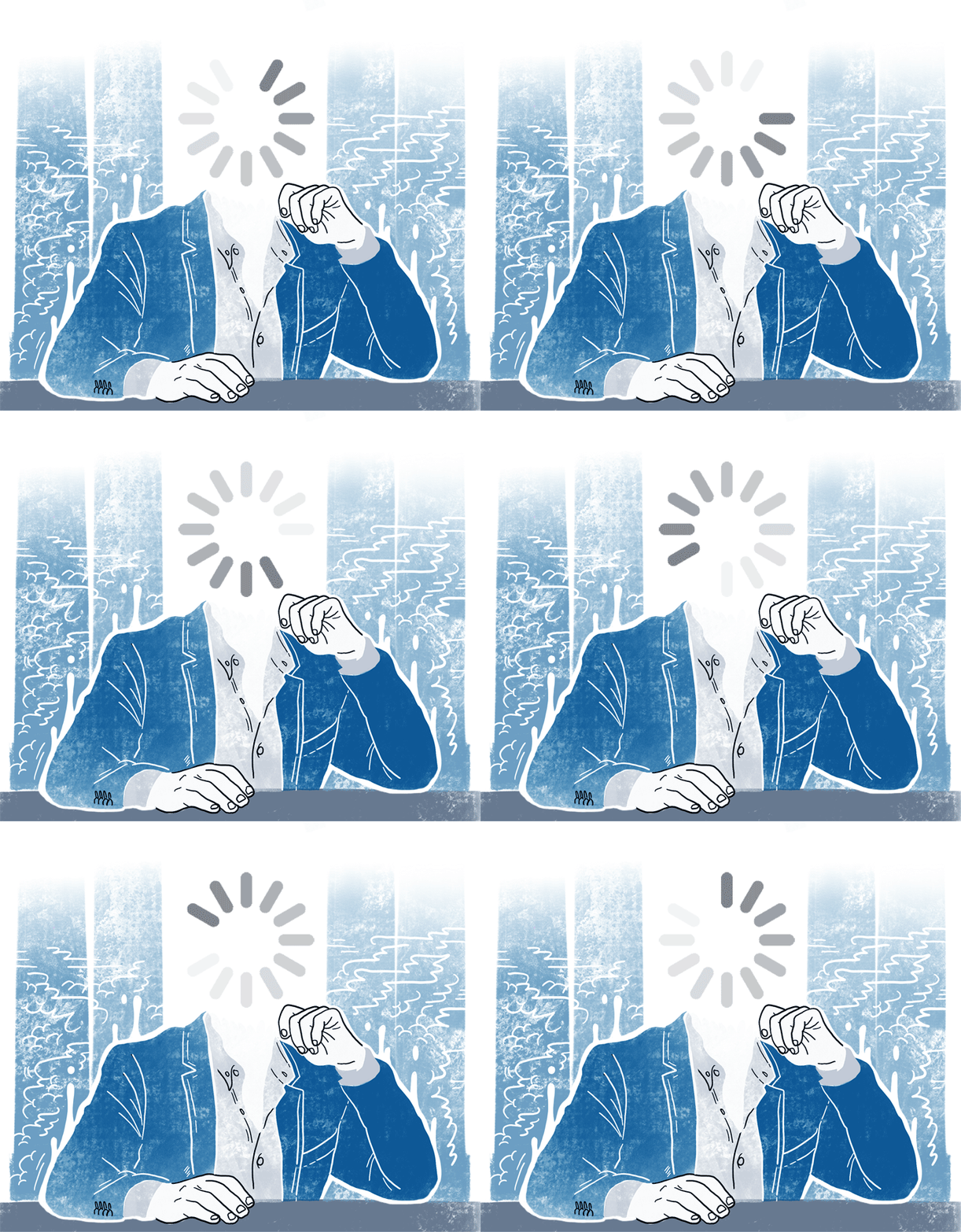
The visual media project will reflect these ideas. The first section will be dedicated to mental health, including the detrimental effects, thereby emphasizing its importance. The second section will include the issues currently surrounding treatment and counseling services, mainly inaccuracy of diagnosis and overmedication. The third section will address the school-wide attention and intervention strategies mentioned above. The fourth section will include a visual of the effect of the strategies of the previous section on addressing the stigma and allowing for more open communication. The fifth and final section will include a visualization of the effect addressing mental health concerns can have, including a balanced well-being.
I am not an artist or a graphic designer, but I hope that by choosing the visual media for my project, I am able to demonstrate the accessibility of the public sphere and the truly wide array of medias introduced there.
Middle and High School is a time of immense change. Aside from no more recess, the biggest changes happen from within. And a little without. Bodies are changing, and with that emotions and expectations. Suddenly it isn’t enough to get AR points and have a good group of friends to play tag with at recess. Now you have to get used to multiple teachers, multiple groups of classmates, and increased expectations for success in schools. The teachers don’t seem to care that you have other classes, assigning homework like you have all the time in the world to focus on this one assignment. You can get enough sleep, fulfill all your responsibilities at school and home, or have a social life, but you can’t have all three. Your hormones are going crazy, giving you mood swings like you wouldn’t believe and muddling everything in your head so it is impossible to gain perspective. And the breaks never come.
Sure, schools give you a Monday off here or there. You get a week at Thanksgiving, two at Christmas, another for Spring. But those aren’t really true rest periods, are they? Your entire break is spent working on projects from your teachers you suddenly have time for, meeting all the family expectations-since it is family time, after all- and maybe, if you get lucky, squeezing in an hour with your best friend. For seven years, the cycle is never ending, expectations only getting bigger and social pressure growing stronger. And it doesn’t end there; suddenly you’re in college and facing even more, or maybe you didn’t make it to college and now have to face finding a job degree-less.
With all of that pressure and no time to actually release any of it, it is no wonder that an increasing number of people are suffering from mental health issues. Anxiety, ADHD, depression, eating disorders, and PTSD- just to name a few- are all added weights that make functioning a daily struggle for so many. Unfortunately, unlike the amount of homework heaped on kids, very few actually acknowledge the existence of mental health as a common obstacle that needs to be addressed. Instead, mental health is treated like a taboo subject: only the “odd-balls” suffer from mental health issues. The cool kids? The top 10? They are above mental health issues.
It is this kind of thinking that makes mental health issues so dangerous. When the fear of being judged outweighs the benefits of getting help, mental health issues go unchecked and leave our kids vulnerable. When your own mind is acting against you, and you have no one to help you be objective, what is there to stop you from doing something drastic?
If we can be the voice of perspective for our kids when it comes to being upset over fights with their friends, why can’t we be that voice when it comes to their minds?
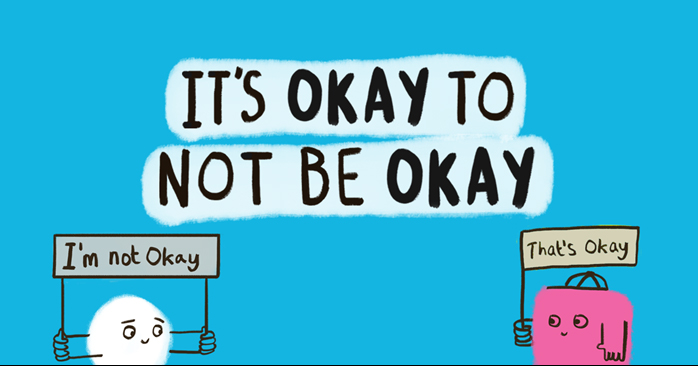
That is why openly acknowledging the importance of a mental health is so important to me. Kids are forced to quietly struggle every single day of their lives instead of seeking help at the sources meant to be available to them. By staying quiet about mental health, by not encouraging questions and discussions, we make mental health unimportant. Instead of silencing our kids, we should be encouraging them to be vocal. Talk to them about mental health. Educate them on what is okay and what isn’t. Make it okay for them to talk about it with their parents, or their friends, or people that can help them.
If someone had told me that not everyone faced my struggles every single day, that I didn’t need to face my struggles every single day? I can’t even imagine what my life would have been like if I had known. I probably would have been able to ask for help before I broke down sobbing, gasping for breath, unable to explain to myself or my parents why I was suddenly about to pass out from facing them in our own home.
Don’t let mental health be a quiet killer. Talk about it. Make it okay. Teach our kids how to balance themselves, how to protect themselves. Let them know it’s okay to ask for help. Not everyone suffers from mental health issues, but it isn’t worth the sensibilities of a few to silence the struggles of the many.

 Mental Health Matters